


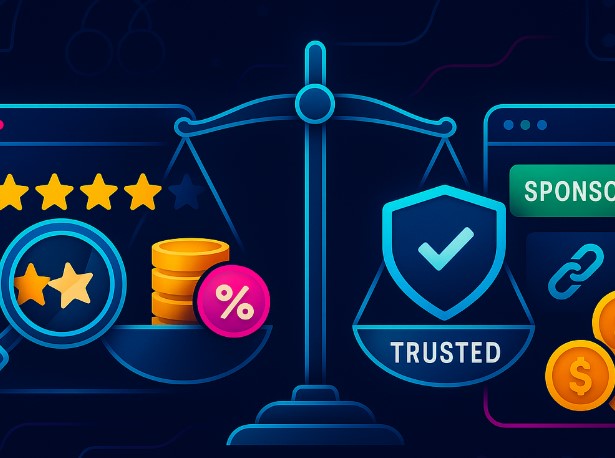
Let’s address the elephant in the room that every online gambler has wondered about but few dare to discuss openly: Are the casino review sites you trust actually working in your best interests, or are they simply pushing whatever casinos pay them the highest commissions?
The uncomfortable truth is that the vast majority of casino affiliate websites are heavily biased toward promoting casinos that offer the most lucrative partnership deals rather than those that provide the best player experience. But before you lose faith in online casino reviews entirely, the story is more nuanced than simple greed and deception.
The Business Model That Creates Bias
To understand why bias exists, you need to understand how casino affiliate sites make money. It’s not advertising revenue or subscription fees – it’s commission payments from casinos based on the players they refer.
Here’s how it typically works:
Revenue Share Model: The affiliate receives 25-50% of the net losses from players they refer, paid monthly for the lifetime of those players.
Cost Per Acquisition (CPA): The affiliate receives a flat fee (usually $100-$500) for each new depositing player they send to a casino.
Hybrid Models: A combination of upfront CPA payments plus ongoing revenue share at reduced percentages.
This creates an obvious conflict of interest. The more a player loses at a casino, the more money the affiliate site makes. Casinos that offer higher commission rates naturally become more attractive to promote, regardless of their quality or fairness to players.
Red Flags: How to Spot Biased Review Sites
After analyzing dozens of casino affiliate sites, certain patterns consistently emerge among the most biased platforms:
Suspiciously Similar “Top 10” Lists
Walk through several casino review sites and you’ll notice something odd: many feature nearly identical top-rated casinos, often in similar order. This isn’t coincidence – it’s evidence of commission-driven rankings.
Legitimate review sites should have more variation in their recommendations because they’re evaluating different factors and serving different player preferences. When sites consistently promote the same casinos despite claiming independent reviews, it’s usually because those casinos offer the best affiliate deals.
Overly Positive Reviews with No Real Criticism
Biased affiliate sites rarely publish genuinely critical reviews. Every casino somehow manages to earn 4+ star ratings, and any negative aspects are downplayed or buried beneath overwhelming positivity.
Real reviews should include balanced assessments with honest criticism. When every casino is described as “amazing,” “top-rated,” or “highly recommended,” you’re reading marketing copy, not objective analysis.
Lack of Transparency About Business Model
Reputable affiliate sites clearly disclose their business relationships and how they generate revenue. Biased sites often hide these details or provide vague disclaimers that don’t fully explain the financial incentives behind their recommendations.
Promoting Questionable Operators
The biggest red flag is when sites enthusiastically promote casinos with questionable reputations, slow withdrawal processes, or unclear licensing. When commission potential overrides player protection, sites will recommend operators they know are problematic.
The Legitimate Players in the Field
Despite widespread bias, some affiliate sites prioritize honest reviews and player protection over maximum commission potential. These sites typically share several characteristics:
Clear Revenue Disclosure: They openly explain how they make money and how it might influence their content.
Balanced Reviews: They provide honest criticism alongside positive aspects, even for high-paying casino partners.
Diverse Recommendations: Their top casino lists vary based on different player needs rather than commission rates.
Player Protection Focus: They actively warn about problematic operators, even when it costs them potential revenue.
Sites like Gambling.com and CasinoWhizz.com represent examples of more legitimate operations that attempt to balance business needs with genuine player advocacy. While they still operate on affiliate commission models, they demonstrate more transparency and appear to prioritize long-term credibility over short-term commission maximization.
The Commission Rate Investigation
Through industry contacts and leaked affiliate program details, we’ve uncovered the commission rates that drive many biased recommendations:
High-Commission Operators (40-60% revenue share):
- Often newer casinos trying to build market share
- May have questionable licensing or unclear terms
- Frequently featured as “top recommended” despite limited track records
Standard Commission Operators (25-35% revenue share):
- Established casinos with solid reputations
- Often relegated to middle positions despite superior player experience
- May be mentioned but not heavily promoted
Low-Commission Operators (15-25% revenue share):
- Often the most established, player-friendly casinos
- Rarely appear in top recommendations despite excellent reputations
- May be completely absent from biased affiliate sites
This inverse relationship between commission rates and casino quality creates the fundamental bias problem in affiliate marketing.
How Casinos Manipulate Affiliate Rankings
Casinos actively work to influence affiliate site rankings through various tactics:
Commission Rate Bidding Wars
When a casino wants to break into top recommendation lists, they’ll approach affiliate sites with increased commission offers. Sites that prioritize revenue over integrity quickly adjust their rankings to reflect these new financial arrangements.
Exclusive Partnership Deals
Some casinos offer exclusive partnerships with guaranteed minimum payments or special commission structures. These deals often come with requirements for prominent placement and positive coverage.
Bonus Offer Incentives
Casinos provide special bonus offers exclusively for certain affiliate sites, making those sites appear to offer better deals when they’re actually just receiving preferential treatment from casino partners.
Marketing Material and Support
Casinos provide extensive marketing materials, pre-written content, and dedicated affiliate support to sites that promote them heavily. This makes it easier for affiliates to create content favoring these casinos.
The Player Impact of Biased Reviews
The consequences of biased affiliate marketing extend far beyond theoretical concerns about integrity:
Financial Losses
Players directed to inferior casinos experience:
- Slower withdrawal processing times
- More restrictive bonus terms
- Higher house edges on games
- Poor customer service experiences
Security Risks
Biased sites may promote casinos with:
- Questionable licensing arrangements
- Inadequate data protection measures
- Unclear dispute resolution processes
- Financial instability concerns
Missed Opportunities
Players miss out on:
- Better welcome bonuses at legitimate casinos
- Superior game selections and software
- More favorable loyalty programs
- Better overall gaming experiences
The Regulatory Response
Gaming authorities and consumer protection agencies have begun addressing affiliate bias concerns:
Disclosure Requirements
New regulations in several jurisdictions require clearer disclosure of affiliate relationships and potential conflicts of interest.
Advertising Standards
Advertising authorities now scrutinize affiliate marketing claims more closely, requiring substantiation for “best” or “top-rated” claims.
License Conditions
Some gaming licenses now include specific requirements for how operators can structure affiliate partnerships to reduce bias incentives.
How to Navigate Biased Review Sites
Given the prevalence of bias, players need strategies for finding reliable information:
Cross-Reference Multiple Sources
Never rely on a single review site. Compare recommendations across multiple platforms and look for consensus among more transparent operators.
Research Beyond Affiliate Sites
Check licensing authority databases, player forums, and independent casino databases for additional perspectives on casino operators.
Understand Financial Incentives
When reading reviews, consider what financial incentives might be driving the recommendations. Sites that are transparent about their revenue models are generally more trustworthy.
Focus on Specific Criteria
Rather than relying on overall ratings, focus on specific factors important to you: withdrawal speeds, game selection, customer service quality, or licensing jurisdiction.
Use Player Communities
Reddit, dedicated gambling forums, and social media groups often provide more honest assessments of casino experiences from actual players.
The Future of Casino Affiliate Marketing
Industry trends suggest several developments that may reduce bias over time:
Increased Regulation
Growing regulatory scrutiny will likely force more transparency and disclosure requirements for affiliate sites.
Alternative Revenue Models
Some sites are experimenting with subscription models or direct advertising rather than commission-based revenue to reduce bias incentives.
Player Review Integration
More sites are incorporating verified player reviews and ratings to balance affiliate-driven content with genuine user experiences.
Blockchain Transparency
Some newer platforms use blockchain technology to create transparent, verifiable review systems that reduce manipulation potential.
Red Flag Casinos Often Promoted by Biased Sites
Based on industry analysis, certain types of casinos frequently appear on biased affiliate sites despite questionable credentials:
- Casinos with Curacao licenses offering unusually high commission rates
- New operators with limited track records but aggressive affiliate programs
- Sites with withdrawal limits or processing delays not adequately disclosed
- Operators with customer service only available in limited languages or time zones
- Casinos that frequently change terms and conditions without adequate notice
Finding Trustworthy Casino Information
For players seeking reliable casino information, several strategies can help identify more trustworthy sources:
Look for Editorial Standards: Legitimate review sites maintain editorial standards that separate advertising content from review content.
Verify Claims: Good review sites provide evidence for their claims about casino quality, withdrawal speeds, and customer service.
Check Update Frequency: Trustworthy sites regularly update their reviews to reflect current casino conditions rather than publishing static content.
Assess Review Depth: Quality reviews go beyond surface-level features to examine licensing, security measures, and actual player experiences.
If you’re looking for fair and unbiased casino assessments, you can find CasinoWhizz reviews here, which attempt to provide more comprehensive evaluations that consider player experience alongside business relationships.
The Economics of Trust vs. Profit
The fundamental tension in casino affiliate marketing comes down to a choice between short-term profit maximization and long-term trust building. Sites focused solely on commission revenue may see quick profits but often lose credibility when players have negative experiences with their recommendations.
More sustainable affiliate sites recognize that their long-term success depends on maintaining player trust, even when it means recommending lower-commission casinos that provide better player experiences.
Industry Insider Perspectives
Conversations with affiliate marketing professionals reveal internal struggles between revenue goals and ethical considerations:
“The pressure to promote high-commission casinos is intense,” admits one affiliate manager who requested anonymity. “Publishers can see their monthly revenue double by switching their top recommendations to casinos offering better deals, even when those casinos aren’t necessarily better for players.”
Another industry veteran notes: “The best long-term strategy is building trust with your audience, but many affiliates are focused on quick profits and don’t think about reputation damage.”
The Player Protection Paradox
Ironically, the most player-friendly casinos often offer lower affiliate commissions because they:
- Operate with smaller profit margins due to better RTPs
- Invest more in customer service and player satisfaction
- Process withdrawals faster, reducing player lifetime value
- Offer more generous bonus terms that reduce house edge
This creates a perverse incentive where affiliate sites have financial reasons to avoid promoting the casinos that would provide the best player experiences.
International Variations in Bias
Affiliate bias varies significantly across different markets:
United Kingdom: Stricter advertising regulations have reduced overt bias, but subtle promotional preferences still exist.
United States: State-by-state regulation creates complex affiliate landscapes with varying disclosure requirements.
European Union: GDPR and consumer protection laws provide some safeguards, but enforcement varies by country.
Unregulated Markets: Sites targeting unregulated jurisdictions often show the most extreme bias due to lack of oversight.
Technology’s Role in Reducing Bias
Emerging technologies may help address affiliate bias:
AI-Powered Analysis: Automated tools can analyze affiliate sites for bias patterns and flag potentially misleading recommendations.
Player Review Verification: Technology solutions can better verify genuine player reviews versus fake testimonials.
Transparent Tracking: Blockchain and other technologies can create more transparent affiliate relationship tracking.
Conclusion: Navigating the Affiliate Landscape
The question “Are casino affiliate sites biased?” has a clear answer: Yes, most of them are significantly biased toward promoting casinos that offer the highest commission rates rather than the best player experiences.
However, this doesn’t mean all casino review sites are untrustworthy or that affiliate marketing is inherently evil. The business model creates natural conflicts of interest, but some sites work to minimize these conflicts through transparency, editorial standards, and genuine commitment to player protection.
As a player, your best defense is education and skepticism. Understand the financial incentives behind casino recommendations, cross-reference multiple sources, and focus on specific criteria that matter to your gaming experience rather than relying on overall ratings that may be commission-driven.
The affiliate marketing industry is slowly evolving toward greater transparency and accountability, driven by regulatory pressure and growing player awareness of bias issues. Sites that prioritize long-term trust over short-term commission maximization are positioning themselves for sustainable success in this changing landscape.
Ultimately, the responsibility lies with both affiliate sites to maintain ethical standards and players to approach online casino reviews with appropriate skepticism and research diligence. The more players understand and demand transparency, the more likely the industry is to evolve toward genuinely helpful, unbiased casino guidance.
Remember: any site that claims every casino they review is “amazing” or “top-rated” without providing balanced criticism is probably more interested in your clicks than your gambling success. Look for transparency, seek multiple perspectives, and always do your own research before depositing money at any online casino.